∼ Myelin in MS: damage, impairment, and repair ∼

Three excellent researchers will give a keynote lecture:
1. Prof. Dr. Ragnhildur Thóra Káradóttir (University of Cambridge)

Regenerative neural plasticity: neuroprotection and remyelination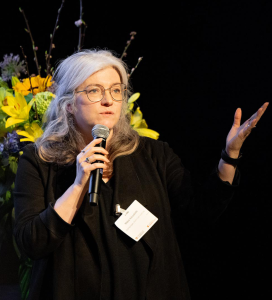
Half of the human brain is white matter. Its function relies on oligodendrocytes producing myelin sheaths that are essential for neuronal communication, cognitive function, and motor performance. Throughout life, oligodendrocyte precursor cells (OPCs) differentiate into myelin-forming oligodendrocytes and represent the primary proliferative cells in the adult brain. OPCs can sense neuronal activity through synaptic inputs, voltage-gated ion channels, and neurotransmitter receptors, and they differentiate into myelinating oligodendrocytes in response to changes in neuronal activity, a mechanism increasingly recognised for learning and adaptation.
Whilst myelin’s importance is well-established in demyelinating diseases like multiple sclerosis, emerging evidence suggests its critical role in conditions traditionally viewed as neuronal disorders, including dementia. However, with normal ageing, myelin maintenance and regeneration decline, with the primary cause of regenerative failure being the inability of OPCs to differentiate into new myelinating oligodendrocytes. With age focal white matter lesions, characterised by oligodendrocyte loss and myelin damage, accumulate and the number correlate with cognitive decline. Focal white matter lesions are prevalent across neurodegenerative conditions, yet their mechanistic relationship to grey matter pathology remains poorly understood.
Using an anatomically well-defined circuit model, we demonstrate that focal white matter lesions trigger a cascade of events beginning with transient neuronal activity changes and microgliosis. This is followed by synapse loss and increased microglial engulfment in grey matter regions, which can be reversed upon successful myelin regeneration.
Critically, we show that grey matter microgliosis, often considered pathological, is in fact integral to the myelin regenerative process. Experimental prevention of these transient grey matter changes blocks white matter myelin regeneration, whilst myelin regeneration failure results in chronic grey matter neuroinflammation. These findings reveal a bidirectional relationship between white and grey matter pathology, suggesting that myelin regeneration failure may drive the sustained microglial activation characteristic of chronic neuroinflammation in neurodegenerative diseases. This novel mechanism provides a potential unifying framework for understanding multiple neurodegenerative conditions and highlights myelin regeneration as a promising therapeutic target for preventing chronic neuroinflammation.
2. Prof. Dr. Mikael Simons (Technical University of Munich)

Myelin pathology & neuroinflammation in the CNS
Compartmentalized inflammation is considered a critical factor in driving the progression of MS. Yet, the mechanisms sustaining its persistence remain poorly understood. A hallmark of this persistent and slowly evolving inflammatory process are chronic active MS lesions. We created a high-resolution, single-cell molecular and spatial atlas of chronic inflammation in MS.
Our integrative profiling uncovered the molecular landscape of glial and immune cells, their disease-associated states, and the surrounding microenvironments. Within the lesion rim, we identified CD8+ T cell niches with inflamed, foamy microglia, characterized by an interferon response and dysfunctional lipid metabolism. We investigated the function of these microglia, in experimental models. Our findings revealed that inhibiting cholesterol efflux increased the formation of lipid-storing phagocytes, which actively drove inflammatory processes. I will discuss link between lipid metabolism and chronic active inflammation and how it may opens up new avenues for future research and opportunities for intervention.
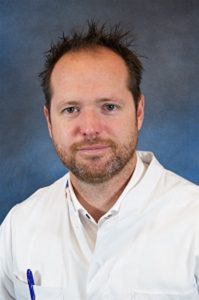
3. Prof. Dr. Tom van Meerten (UMC Groningen)
CD19‑Directed CAR T‑Cell Therapy: Established Efficacy in Lymphoma and Emerging Promise in Multiple Sclerosis
CD19‑directed CAR T‑cell therapy has fundamentally reshaped the treatment landscape for relapsed or refractory B‑cell lymphomas. It offers durable remissions for patients who previously had no effective therapeutic options. CAR T-cell therapy works by engineering a patient’s T cells to recognize and eliminate CD19‑expressing B-cells. Its clinical success represents a true paradigm shift in hematologic oncology. Long‑term follow‑up shows that a substantial proportion of patients achieve sustained disease control. Toxicities such as cytokine release syndrome and neurotoxicity are now better understood and increasingly manageable. The profound and selective depletion of B-cells has sparked interest beyond oncology. Multiple sclerosis, a disease in which B-cells play a central pathogenic role, is an especially compelling new target. Current MS therapies modulate or deplete B-cells but do not fully eliminate autoreactive clones. CAR T‑cell therapy offers the possibility of a deeper and more durable immune reset.
Early case reports and small pilot studies show promising clinical and immunological responses in MS. Treatment induces long‑lasting B‑cell aplasia and reconstitution with a more naïve, less autoreactive repertoire. This resembles an “immune reboot” that may halt disease progression. Safety in autoimmune disease appears favorable, with lower rates of severe CRS than in cancer. Manufacturing and dosing strategies may differ from oncologic indications. Key questions remain regarding durability, optimal patient selection, and long‑term immune effects. Ongoing clinical trials aim to address these uncertainties. If successful, CAR T‑cell therapy could redefine therapeutic goals in MS. It thus represents an established paradigm shift in lymphoma and a potential future revolution in MS care.
Workshop Pitch Perfect
Communicating complex MS research in a way that truly resonates with different audiences is not always easy. Even groundbreaking findings may lose their impact if they are not presented clearly, engagingly, and with a compelling narrative. Fortunately, there are simple yet powerful methods that can help you bring your scientific presentations to the next level.
Scientific research generates valuable insights, but to create real-world impact, these insights must be communicated effectively. Whether your goal is to inspire, educate, foster interdisciplinary collaboration, secure funding, implement recommendations in clinical practice or society, or support industry partnerships, strong communication skills are essential.
 At the same time, science is complex. Translating mechanisms, data-heavy results, or long-term research processes into a story your audience can understand and remember is a major challenge. How do you, as an MS researcher, present complex ideas clearly and convincingly?
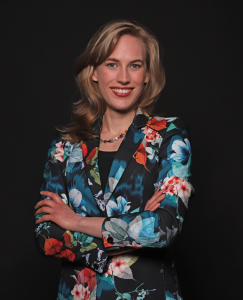
Trainer: Marloes ten Kate (Take the Stage)
Date: Thursday 21 May 2026
Duration: 1.5 hours
Language: English
Date: Thursday 21 May 2026
Duration: 1.5 hours
Language: English
After the workshop, you will know how to present complex MS-related research in a clear, engaging, and accessible way. Your message becomes easier to follow, easier to remember, and more impactful. You will be equipped to deliver scientific presentations that are both inspiring and convincing.
For PhD candidates and early-career researchers (junior postdocs): Three weeks after the workshop, you can put your new skills into practice by submitting your own pitch to Stichting MS Research. The best pitch wins an entry ticket to ECTRIMS/ACTRIMS!
Please note: additional registration is required. A maximum of 40 participants can attend. Registration is on a first-come, first-served basis. Don’t wait too long to sign up by sending an email to subsidies@msresearch.nl.